

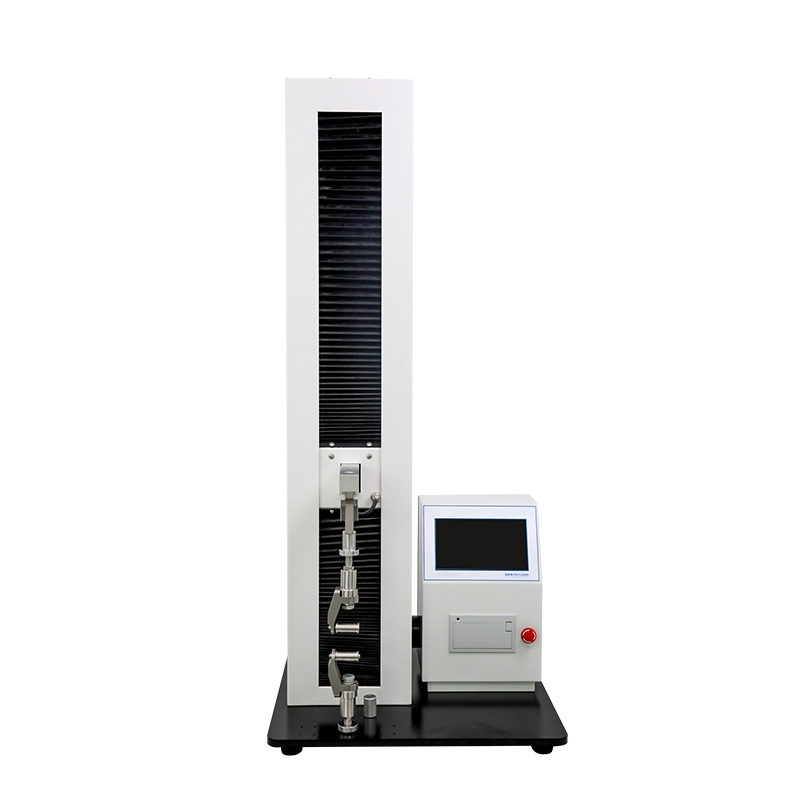
Introduction to Condom Testing Instruments
In the realm of public health and personal safety, condoms play a critical role in preventing sexually transmitted infections (STIs) and unintended pregnancies. The reliability of condoms hinges on rigorous quality control (QC) measures during manufacturing. Condom testing instruments are the backbone of this QC process, ensuring that every product meets stringent safety and performance standards. These instruments measure physical properties such as tensile strength, elongation, burst volume, and leak resistance. Without them, manufacturers cannot guarantee that a condom will perform as intended. This guide provides an in-depth look at the types of tests, the equipment used, and the international standards that govern condom quality.
Types of Condom Tests and Corresponding Instruments
Water Leak Test (Pinhole Detection)
The water leak test is one of the most common methods to detect pinholes in condoms. A condom is filled with 300 mL of water and examined for leaks after a specified period. Condom leak test machines automate this process by filling multiple condoms simultaneously and using visual or electronic sensors to detect water escape. ISO 4074 requires that no more than 0.25% of condoms in a batch show leaks. Instruments like the condom water leak testing apparatus include clamps, water reservoirs, and inspection stations.
| Item | Value |
|---|---|
| Water Leak | 95 |
| Tensile Strength | 88 |
| Elongation | 85 |
| Air Burst | 90 |
| Thickness | 80 |
Insight: Water leak testing is the most widely performed test due to its direct impact on safety.
Electrical Conductivity Test
This non-destructive test uses electrical current to find pinholes. Condoms are placed on a metal mandrel and passed through a conductive solution; any current flow indicates a hole. Electrical test instruments are highly sensitive and fast, making them ideal for 100% inline inspection. They are a staple in high-volume manufacturing lines.
| Item | Value |
|---|---|
| Test | 1 |
| Requirement | 1 |
Insight: These criteria ensure consistent performance across batches.
Tensile Strength and Elongation Test
Condom tensile strength testers measure the force required to break a condom sample and its elongation at break. A strip of condom material is clamped and stretched until it ruptures. The tests follow ISO 4074 and ASTM D3492. The condom elongation tester provides data on the material’s elasticity and resistance to tearing during use. Typical minimum tensile strength is 0.50 MPa, and elongation should be at least 650% for latex condoms.
Air Burst Test (Volume and Pressure)
The air burst test evaluates the condom’s ability to withstand internal pressure without bursting. A condom is inflated with air until it bursts, recording the volume and pressure. This simulates stress during intercourse. Condom air inflation testers are calibrated to deliver precise airflow. ISO 4074 sets a minimum burst volume of 18 dm³ for latex condoms.
Thickness Measurement
Condom thickness gauges use laser or mechanical probes to measure wall thickness at multiple points. Uniform thickness is crucial for consistent strength and sensation. Measurements are typically between 0.045 mm and 0.080 mm for standard condoms.
Package Integrity Test
Condoms are often packaged in sealed foil pouches. Package integrity testers check for leaks or weak seals that could compromise sterility. Methods include vacuum decay or dye ingress. Maintaining package integrity is part of overall condom safety standards.
Lubricant Testing
Lubricant quality affects user experience and condom integrity. Viscosity, pH, and microbial content are assessed. While not always performed with dedicated instruments, specialized equipment like rheometers and pH meters are used.
Ageing Test (Accelerated)
Condoms must maintain performance over their shelf life. Ageing chambers expose condoms to elevated temperatures (e.g., 70°C for 7 days) to simulate long-term storage. After ageing, physical tests are repeated to ensure no degradation.
Key International Standards for Condom Testing
Condom quality control is governed by several international standards. The most prominent is ISO 4074:2015 Natural rubber latex condoms — Requirements and test methods. It specifies all the tests mentioned above and establishes acceptance criteria. In the United States, ASTM D3492 covers latex condoms, while the World Health Organization (WHO) publishes specifications for procurement. Compliance with these standards is mandatory for regulatory approval. The ISO 4074 condom standard is the gold reference. Other relevant standards include ISO 23409 for synthetic condoms and ISO 16038 for condom lubricants.
Quality Control Workflow in Condom Manufacturing
A typical QC workflow involves multiple stages:
- Incoming material inspection: Raw latex or synthetic polymer is tested for chemical composition and consistency.
- In-process testing: During manufacturing, samples are taken for thickness, tensile, and burst tests.
- Final inspection: 100% electrical testing or water leak testing on every condom, plus statistical sampling for other parameters.
- Packaging quality: Seal integrity and label verification.
- Release testing: Batch release after all criteria are met.
Automation in condom inspection machines allows real-time data collection and rejection of defective units. Statistical process control (SPC) charts are used to monitor trends.
Selecting the Right Condom Testing Equipment
Choosing the appropriate condom testing instruments depends on production volume, budget, and regulatory requirements. Key factors include:
- Throughput: High-speed automated machines for large batches.
- Accuracy: Sensors with high repeatability for tensile and burst tests.
- Compliance: Equipment must adhere to ISO 4074 or ASTM standards.
- Ease of use: Software interfaces for data logging and reporting.
- Maintenance: Availability of spare parts and calibration services.
For example, a water leak test machine can handle thousands of condoms per hour, while a tensile tester is used for sample testing.
Maintenance and Calibration of Instruments
Regular calibration is essential to ensure accuracy. Load cells, pressure sensors, and gauges should be calibrated annually or per manufacturer recommendations. Preventive maintenance includes cleaning, lubrication, and replacement of wear parts. Documentation of calibration is required for audits.
Automation Trends in Condom Testing
Industry 4.0 brings automation and data analytics to condom quality control. Machine vision systems detect defects, and connected sensors feed data to centralized databases for trend analysis. Robotic arms handle condoms in water leak testers, reducing human error. Expect increased use of AI for predictive maintenance and quality prediction.
Future Outlook
As materials evolve (e.g., polyurethane, polyisoprene), test methods may adapt. Standards are updated regularly. The demand for higher safety standards in developing regions will drive adoption of advanced condom testing equipment. Regular updates to ISO 4074 will include new test methods for emerging condom types.
Conclusion
Condom testing instruments are vital for ensuring that condoms meet rigorous safety standards. From water leak tests to tensile strength and burst tests, each instrument plays a specific role in quality control. Manufacturers must stay updated with ISO 4074 and invest in reliable equipment. Implementing a comprehensive QC workflow with automated inspection machines enhances product reliability and consumer trust. By understanding these instruments and their applications, quality assurance professionals can maintain the highest safety standards.