

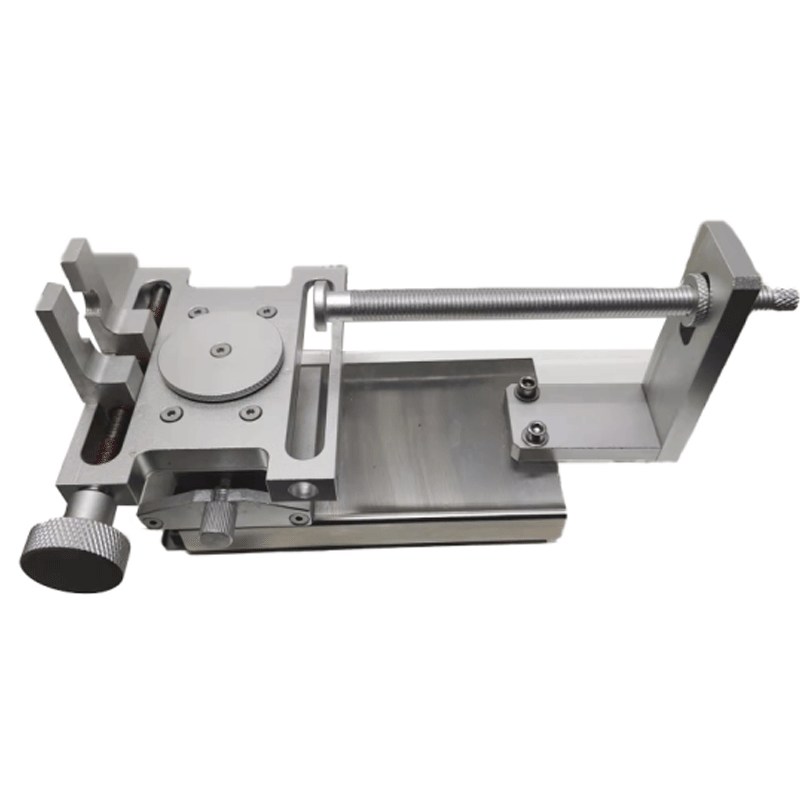
Condom testing instruments are essential tools in the manufacturing process, ensuring that every condom meets rigorous safety and quality standards. As a critical barrier contraceptive, condoms must be free from defects such as pinholes, weak spots, and improper dimensions. This ultimate guide explores the types of condom testing equipment, international standards like ISO 4074 and ASTM D3492, quality control workflows, and emerging trends in automation. Whether you are a manufacturer, quality assurance professional, or regulatory compliance officer, understanding these instruments is vital for producing reliable products.
Importance of Condom Testing
Condom failures can lead to unintended pregnancies and sexually transmitted infections. Therefore, condom testing instruments are deployed throughout production to detect defects and ensure compliance with global standards. The primary goal is to verify that each condom provides a consistent level of protection. Testing also helps manufacturers optimize their production processes, reduce waste, and avoid costly recalls.
| Item | Value |
|---|---|
| Water Leak | 95 |
| Electrical | 98 |
| Tensile Strength | 90 |
| Air Burst | 85 |
| Thickness | 92 |
Insight: Electrical and water leak tests are most effective at detecting pinholes, while tensile strength ensures material durability.
Types of Condom Tests
Water Leak Test
The water leak test is a fundamental method for detecting pinholes and leaks. A condom is filled with water and examined for leakage under pressure. Condom leak test machines automate this process, filling multiple condoms simultaneously and using visual inspection or sensors to identify defects. This test is specified by ISO 4074 and is a key component of condom quality control.
| Item | Value |
|---|---|
| Water Leak (AQL 0.65) | 40 |
| Air Burst (AQL 1.0) | 30 |
| Dimensions (AQL 4.0) | 15 |
| Package Integrity (AQL 2.5) | 15 |
Insight: Stricter AQL for water leak testing reflects its critical role in preventing failure.
Electrical Test
Electrical testing measures the integrity of the condom material by applying a voltage across the condom surface. If a pinhole or thin area exists, current flows, indicating a defect. This method is highly sensitive and can detect flaws invisible to the naked eye. Condom testing equipment for electrical tests includes conductive rollers and automated scanning systems.
Tensile Strength Test
Tensile strength testing evaluates the mechanical properties of the condom material. A condom tensile strength tester pulls a strip of the condom until it breaks, measuring force and elongation. This ensures the material can withstand stresses during use. Elongation at break is also measured to confirm flexibility.
Air Burst Test
The air burst test inflates a condom with air until it bursts, recording the volume and pressure at failure. This test assesses overall strength and uniformity. Condom air inflation testers are automated devices that can test many condoms per hour, providing statistical data for quality assurance.
Thickness Measurement
Condom thickness is measured using a thickness gauge to ensure uniformity. Variations can indicate manufacturing issues. Laser or contact gauges are used to measure thickness at multiple points along the condom.
International Standards
Condom testing instruments must comply with recognized standards to ensure global acceptance. The most important are ISO 4074 (Natural rubber latex condoms – Requirements and test methods) and ASTM D3492 (Standard Specification for Rubber Contraceptives – Male Condoms). WHO also provides specifications for condom procurement.
ISO 4074 Testing
ISO 4074 outlines methods for water leak testing, air burst testing, tensile testing, and package integrity. It defines acceptable quality levels (AQL) and sampling plans. Conforming to ISO 4074 is often a regulatory requirement for market access.
ASTM D3492
ASTM D3492 is the US standard for condom testing. It aligns closely with ISO 4074 but includes additional tests like lubricant stability and ageing tests. Condom testing equipment must be capable of performing these tests accurately.
Quality Control Workflow
A robust quality control workflow integrates testing at multiple stages: raw material inspection, in-process testing, and final product sampling. Statistical process control (SPC) is used to monitor trends. Condom testing instruments are part of a feedback loop that adjusts production parameters when defects exceed limits.
- Incoming inspection: Test latex or other materials for consistency.
- In-process checks: Monitor dimensions and thickness during forming.
- Final testing: Apply water leak, electrical, and air burst tests to samples.
- Package integrity: Ensure seals are airtight using package integrity testers.
- Lubricant testing: Verify lubricant amount and viscosity.
Selecting the Right Instruments
When choosing condom testing instruments, consider accuracy, throughput, ease of calibration, and compliance with standards. Key factors include:
- Automation level: Manual vs. fully automated systems affect labor costs and consistency.
- Data integration: Instruments that connect to centralized databases improve traceability.
- Calibration: Ensure suppliers offer calibration services and certification.
- Durability: Instruments must withstand high-volume use in production environments.
Top suppliers include specialized manufacturers of condom testing equipment that provide complete solutions for condom quality control.
Maintenance and Calibration
Regular maintenance and calibration are critical for accurate results. Condom testing instruments require periodic verification using reference standards. For example, water leak testers need flow rate calibration, and tensile testers require load cell calibration. A preventive maintenance schedule reduces downtime and ensures consistent quality.
Automation Trends
The industry is moving toward automated condom inspection machines that integrate multiple tests into a single line. Machine vision systems with AI can detect defects faster and more accurately than human inspectors. Automation reduces labor costs and improves data collection for predictive quality analytics. Condom leak detection sensors are becoming more sensitive, and real-time monitoring is now possible.
Future Outlook
New materials like polyurethane and synthetic polymers require adapted testing methods. Testing instruments are evolving to handle these materials while maintaining compliance with evolving standards. The demand for higher AQL levels and zero-defect manufacturing will drive further innovation in condom testing equipment.
Case Studies
A leading manufacturer reduced defects by 30% after implementing automated air burst testers. Another improved throughput by 50% using integrated condom testing instruments that combine water leak and electrical tests. These examples highlight the value of investing in reliable equipment.
Practical Recommendations
For manufacturers: conduct a gap analysis of your current testing capabilities against ISO 4074. For QA professionals: ensure your instruments are properly calibrated and that staff are trained. For compliance officers: stay updated on revisions to standards and consider third-party audits.
Conclusion
Condom testing instruments are the backbone of condom quality control. By understanding the types of tests, adhering to standards, and leveraging automation, manufacturers can ensure safety and reliability. Investing in the right condom testing equipment not only protects users but also enhances brand reputation and regulatory compliance.