

Introduction
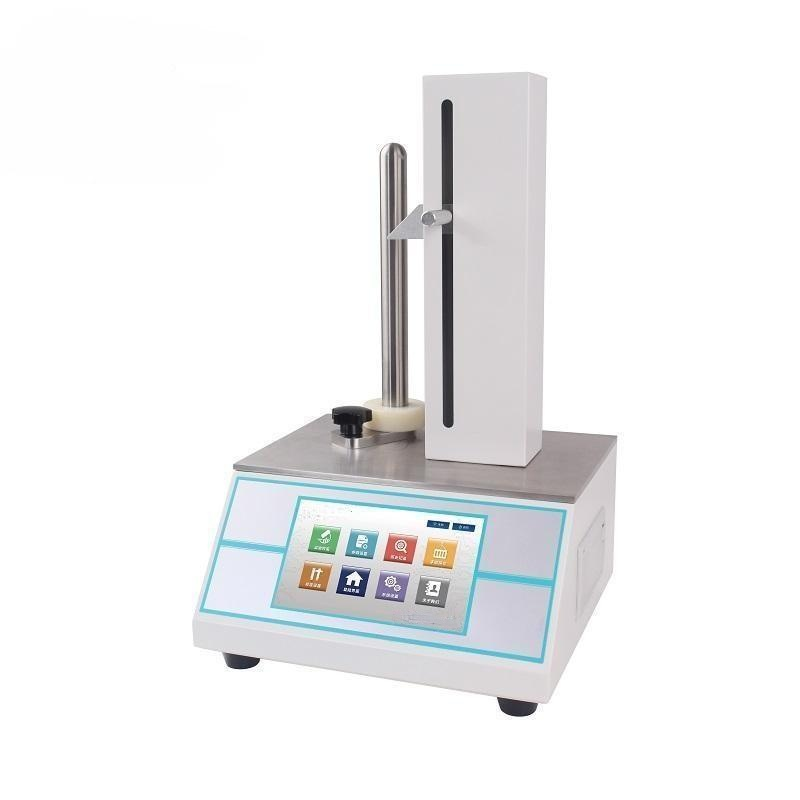
Condom testing instruments are vital for ensuring that every condom meets stringent safety and quality standards before reaching consumers. These devices, ranging from tensile strength testers to pinhole detectors, help manufacturers comply with international standards such as ISO 4074 and ASTM D3492. This guide provides an in-depth look at condom testing equipment, quality control processes, and the latest trends in automation.
Types of Condom Tests
Water Leak Test
The water leak test is a primary method for detecting pinholes and weak spots. Condoms are filled with water and inspected for leaks. This test is essential for condom leak detection and is specified in ISO 4074.
| Item | Value |
|---|---|
| Pinholes | 35 |
| Bursting Below 40L | 25 |
| Tensile Failure | 20 |
| Thickness Variation | 20 |
Insight: Pinholes are the most frequent defect, highlighting the importance of leak detection tests.
Electrical Test
Electrical conductivity testing quickly identifies defective condoms by detecting conductive paths through holes. This method is highly efficient for condom pinhole detection in production lines.
| Item | Value |
|---|---|
| Water Leak | 30 |
| Electrical Test | 25 |
| Tensile Test | 20 |
| Air Burst | 15 |
| Other | 10 |
Insight: Water leak and electrical tests dominate due to their reliability in detecting leaks.
Tensile Strength and Elongation Test
A condom tensile strength tester measures the force required to break a condom, while an elongation tester assesses stretchability. These tests ensure condoms can withstand use without tearing.
Air Burst Test
Condom air inflation testers inflate samples until they burst, measuring volume and pressure. This evaluates overall integrity and material quality.
Thickness Measurement
A condom thickness gauge ensures uniform wall thickness, which is critical for strength and sensitivity.
Lubricant and Package Integrity Tests
Additional tests cover condom lubricant testing to verify silicone oil quantity and package seal strength to prevent contamination during storage.
International Standards for Condom Testing
ISO 4074
ISO 4074 is the global benchmark for condom quality control. It specifies methods for condom leakage test, burst test, tensile properties, and aging tests. Compliance with ISO 4074 testing is mandatory for most markets.
ASTM D3492
ASTM D3492 is the American standard that aligns closely with ISO 4074 but includes additional requirements for natural rubber latex condoms.
WHO Specifications
The World Health Organization provides additional guidance for condom safety standards, especially for public health procurement programs.
Quality Control Workflow in Condom Manufacturing
Effective condom quality control integrates testing at multiple stages: raw material inspection, in-process testing, and final product sampling. Statistical process control helps monitor trends and reduce defects. A robust workflow includes:
- Incoming latex testing for viscosity and solids content
- In-line pinhole detection using electrical or water methods
- Random sample testing for tensile strength and aging
- Package integrity checks
How to Select Condom Testing Instruments
Choosing the right condom testing equipment depends on production volume, regulatory requirements, and budget. Key factors include:
- Accuracy and repeatability of measurements
- Compliance with ISO 4074 and ASTM condom testing protocols
- Automation capabilities for high-throughput lines
- Ease of calibration and maintenance
Leading manufacturers offer integrated systems that combine multiple tests in a single station, improving efficiency.
Maintenance and Calibration of Testing Equipment
Regular maintenance and calibration of condom testing instruments are crucial for consistent results. Calibration intervals should follow manufacturer guidelines and be documented for audits. For example, tensile testers require load cell verification, while water leak testers need flow rate checks.
Automation Trends in Condom Testing
Modern condom inspection machines increasingly use machine vision and robotics for faster, more consistent testing. Automated condom leak detection systems can test thousands per hour with minimal human error. Industry 4.0 integration allows real-time data collection and analysis, aiding condom manufacturing quality control.
Case Study: Improving Defect Detection
A manufacturer in Southeast Asia upgraded from manual water leak testing to an automated electrical test system. The result: a 40% reduction in false positives and a 25% increase in throughput, while maintaining full compliance with ISO 4074.
Future Outlook
The future of condom safety standards points toward more robust non-destructive testing methods, such as infrared scanning and ultrasonic inspection. These technologies promise even higher defect detection rates without damaging the product. As regulations evolve, condom testing instruments will become more sophisticated, integrating AI for predictive quality control.
Conclusion
Condom testing instruments are indispensable for ensuring product safety and regulatory compliance. By understanding the various tests, standards, and selection criteria, manufacturers can invest in the right condom testing equipment to maintain high quality. Whether you are a quality assurance professional or a compliance officer, staying updated on condom quality control practices is essential for protecting users and brand reputation.
For more information on specific instruments or standards, refer to official ISO and WHO documents.